EUME
2026/ 2027

Daniel Behar

The Shudder Remains: Voice, Body, and Affect in Contemporary Palestinian Poetry

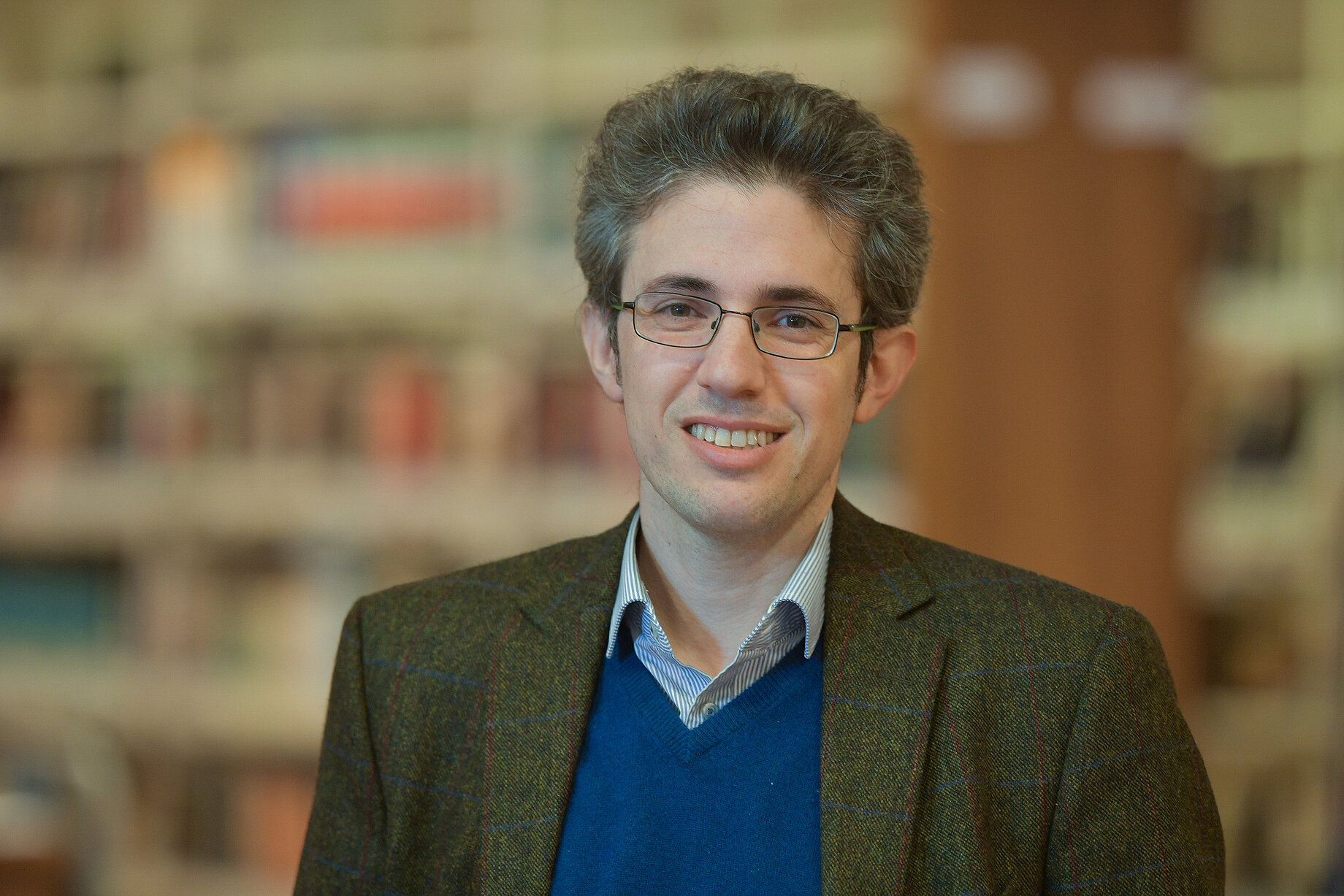
Portrait of Daniel Behar
Photo: Courtesy of Bruno Charbit/The Hebrew University of Jerusalem.

Daniel Behar is a Senior Lecturer (Associate Professor) of Arabic Language and Literature at the Hebrew University of Jerusalem. He received his PhD in 2019 from Harvard University in the Department of Comparative Literature. Between 2020-21, he was a Postdoctoral Fellow at Dartmouth College, affiliated with Jewish Studies and the Leslie Center for the Humanities. His first monograph, Syrian Poets and Vernacular Modernity, was published by Edinburgh University Press in 2025 and traces the aesthetic formation and cross-cultural routes of modern Syrian poetry. His work has been published in various edited volumes as well as in the Journal of World Literature, Journal of Arabic Literature, Middle Eastern Literatures, and Critical Inquiry. He is also a translator of Arabic literature into Hebrew and English; his most recent Hebrew translation is I Tried to Translate the War for You by Syrian-Palestinian poet Ghayath al-Madhoun (Pardes/Maktoob, 2025). In the academic year 2026/27, Daniel is an associated EUME Fellow at the Forum Transregionale Studien.

The Shudder Remains: Voice, Body, and Affect in Contemporary Palestinian Poetry

This project traces a shift in Palestinian Arabic-language poetry from the Oslo Accords to the present away from modes of collective remembrance and resistance and toward what might be called a corporeal lyricism: an embodied, affective search for poetic truth. The project proposes that sensation, vibration, and somatic cognition function in these poems not as rhetorical effects but as visceral epistemologies, ways of knowing wrested from within the impasse Elias Khoury calls “the continuous Nakba.” This epistemological wager has both Western and Arabic-language theoretical genealogies: Adorno’s Schauer, Massumi’s pre-cognitive intensity, and Merleau-Ponty’s intercorporeality, but equally the Sufi concepts of dhawq (ذوق) — pre-discursive knowing through “taste,” theorized by Ibn ʿArabi — and wajd (وجد), the ecstatic somatic state in which the body is seized by truth before the mind can name it. Politics and memory are not evacuated but relocated into the flesh, the breath, the shudder of the lyric body/voice itself. The research will focus on approximately sixteen collections by Maya Abu al-Hayyat, Ghayath al-Madhoun, Najwan Darwish, and Ghassan Zaqtan.